Recently-resurfaced abuse allegations against chef René Redzepi at Copenhagen’s Noma restaurant, now closed, have called into question the so-called Brigade System. The French chef Georges Auguste Escoffier developed the hierarchical structure in the late 19th Century to instill discipline and efficiency. Yet many restaurants still use the Brigade. Le Cordon Bleu, the French culinary education organization, conflates the Brigade System with collaboration. While collaboration may exist in Brigade System kitchens, it exists in spite of the system rather than because of it.
With the executive chef at the top of the kitchen org chart, the Brigade System not only instills hierarchy. The system also gives rise to star culture with the chef as the star. It’s not just kitchens where star culture flourishes. As I describe in the Introduction to the expanded and updated edition of The Culture of Collaboration book, we turn artists, athletes, chefs, politicians, surgeons, influencers, television hosts, entrepreneurs, corporate leaders and many others into stars. This tendency creates the impression that we accomplish great feats by ourselves. Yet we know better. Hierarchy and star culture are two of the Ten Anti-Collaborative Cultural Artifacts I identify in the book.
Escoffier’s goal, as Pete Wells points out in his well-researched New York Times story, was to mold disorderly kitchen staffs into a profession. Yet as many organizations have discovered, instilling “order” can also discourage dissent, spontaneity, and creativity. No wonder expensive tasting menus seem formulaic, and customers perceive plunging value in fine dining.
In contrast, Chez Panisse has never used the Brigade System. Rather, the Berkeley, California restaurant embraces a collaborative ecosystem of stakeholders which includes farmers, team members and customers. Team members often rotate roles and enjoy greater autonomy than at other restaurants. Chefs, servers, bussers and managers enjoy a daily meal together with wine—and it’s often the same meal the staff serves to customers.
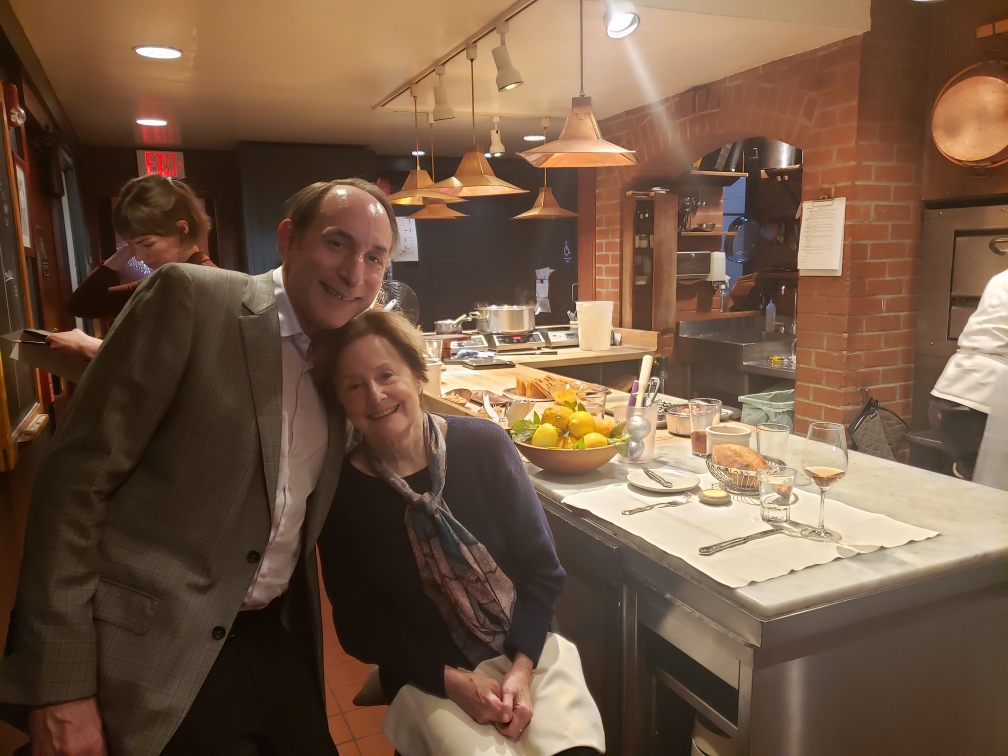
A Chez Panisse principle revolves around food education—how food should be raised and prepared. Accordingly, the restaurant has a word-of-mouth, open-door kitchen policy. On a recent visit, I walked into the kitchen. Team members were focused but seemed relaxed and willing to answer questions. Chez Panisse founder Alice Waters was sitting at the prep counter enjoying a glass of rose and waiting for her dinner which is obviously more civilized than Rene Redzepi’s reported approach. We chatted a bit. I then walked back to the production kitchen where a prep cook was cutting the ends off of just out-of-the-ground sugar snap peas. Had Noma customers wandered back to the production kitchens, they might have observed the alleged abuses that reportedly occurred there. In any industry, command-and-control and star culture may appear to work. Yet in time, these Anti-Collaborative Cultural Artifacts backfire and compromise value. Instead, a collaborative ecosystem creates lasting value.